






















Water is the most abundant compound in the human body and is necessary for the digestion of food, for the transport of food to the tissues, for the elimination of body wastes, for the circulation of body fluids (like blood and lymph), for a lubricant in the joints and internal organs - keeping them moist permitting the passage of substances between the cells and blood vessels - and for the regulation of body temperature. Water Is part of the blood system holding dissolved minerals, like calcium and magnesium in solution, making them available to the body tissues when they an required for proper health. Most of us have heard or read about these many functions of water yet ironically most of us are suffering from dehydration. We have been lead to believe that only when we experience a "dry mouth" must we be lacking adequate water This medical misunderstanding has resulted in pervasive, chronic dehydration with subsequent health problems A recent book Your Body’s Many Cries for Water by FeereydoonBatmanghelidj, a medical doctor, thoroughly explains the forgotten physiological importance of plain water and the body’s many signals of dehydration. When plain water is plentiful, blood viscosity, joint cartilage, blood capillaries digestion, the ATP energy system and the spinal column, all work in an efficient, easy manner. However when water consumption is limited, the body robs some areas to protect different tissues and organs which results in pain, tissue damage, and a variety of common health problems.
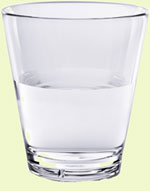
The physiological effects of drinking plain water is not the same as drinking beverages that contain water like: juices, sodas, coffee and tea. In fact, some of these liquids, coffee and tea, contain dehydrating agents (caffeine and theophylline) which stimulate the central nervous system which at the same time creating a strong diuretic action on the kidneys. Your body needs a minimum of 8 to 8 ounces glasses of water each day. Remember, alcohol, juice, sodas, coffee, and tea don’t count as water. Dr. Batmanghelidj recommends one glass a half hour before each meal and a similar amount 2-112 hours after each meal with an extra glass taken before the heaviest meal or before going to bed. As an experiment for yourself count the n umber of glasses of water your drink over a 2 to 3 days period. Most of use will find that we are drinking no more than 3 to 4 glasses per day, not 6 to 8. Thirst should be satisfied at all times with water. The more we pay attention to the body’s constant need of water the healthier we will be. Having a "dry mouth" is the last outward sign of extreme dehydration Which can easily be avoided by following the above advise. Many medications actually dehydrate the body leading to more severe problems. Keep in mind, the human body is roughly composed of 25 percent solid matter and 75 percent water. Brain tissue is said to consist of 85 percent water and the blood is 90 percent water Water - plain, properly filtered water - is an overlooked and essential nutrient and may be your missing ingredient to a healthier, more vibrant, and longer life. |
||||
|
|