


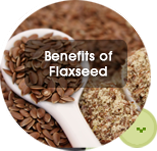
















Flaxseed Nutritional Value: Whole flax seed –Ground meal: contains 28% dietary fiber, (7 – 10% soluble fiber, 11 - 18% insoluble fiber), 40% fat (73% of it being polyunsaturated fatty acids), and 21% protein. Flax seed is nutritious seed packed with all vital vitamins and minerals. Flax seed nutrients include vitamins E and B,it has a very good levels of vitamin b6 and vitamin b3,vitamin k is also found in good amounts in addition to Riboflavin(vitamin-b2) , and mineral nutrients such as calcium, iron, zinc, selenium, copper, phosphorous and potassium, and excellent source of manganese and magnesium. More than 50% of the fat in flax seed is an essential fatty acid called omega-3 fatty acid (alpha-linolenic acid, ALA), which makes flax seed the richest plant source of omega-3 fatty acid. Flax seed oil obtained from the seeds also contains large amounts of omega-3 fatty acid. Flax seeds have high levels of fiber content which are useful for weight loss. Flax seed is rich in antioxidants, such as lignans and other phenolic molecules. Unlike the ground meal and powder, flax seed oil contains no dietary fiber. Health Benefits of Flax seed:
Flax Seed as a rich source of Fiber both soluble and insoluble form helps in lowering cholesterol. The high dietary fiber in flax seed helps stabilize blood sugar, and helps in relieve constipation and other irritable bowel syndrome. Along with alpha linolenic acid, flax seed is richest plant source for Lignans, a class of phytoestrogens having antioxidant and cancer preventing properties. These potent antioxidants work all over the human body to eliminate the free radicals. Lignans are also associated with lowering serum cholesterol and blood glucose levels and improving insulin tolerance. Flax seed is often used food to stimulate milk in lactating mother. Intake of flax seed may increase bone density and reduces the risk of osteoporosis. Tips to include Flax seed in diet: »
You can add flax seeds before baking bread, buns, cookies and
muffins. |
||||
|
|

Stay Connected :




Copyrights © Benourished. All Rights Reserved.
Site is best viewed in 1024x768 resoulation.